SpaceX Crew-9: ISS Docking
September 29, 2024
Experience the SpaceX Crew-9 mission of September 29, 2024: follow the Dragon capsule's real trajectory to or from the ISS, in a real-time 3D reconstruction.
It's September 28, 2024.
On pad 40 at Cape Canaveral, a Falcon 9 stands ready to carry Crew-9's Dragon capsule to orbit.
Crew-9 lifts off from pad 40 at Cape Canaveral. A Falcon 9 carries the Dragon capsule toward orbit.
Max-Q: the rocket punches through the moment of greatest aerodynamic stress, still accelerating hard.
The first stage shuts down and drops away as the second stage ignites to carry on the climb.
A single vacuum-optimized engine now pushes the capsule the rest of the way to orbital speed.
Dragon separates from the second stage and is on its own, beginning the long chase to catch the Space Station.
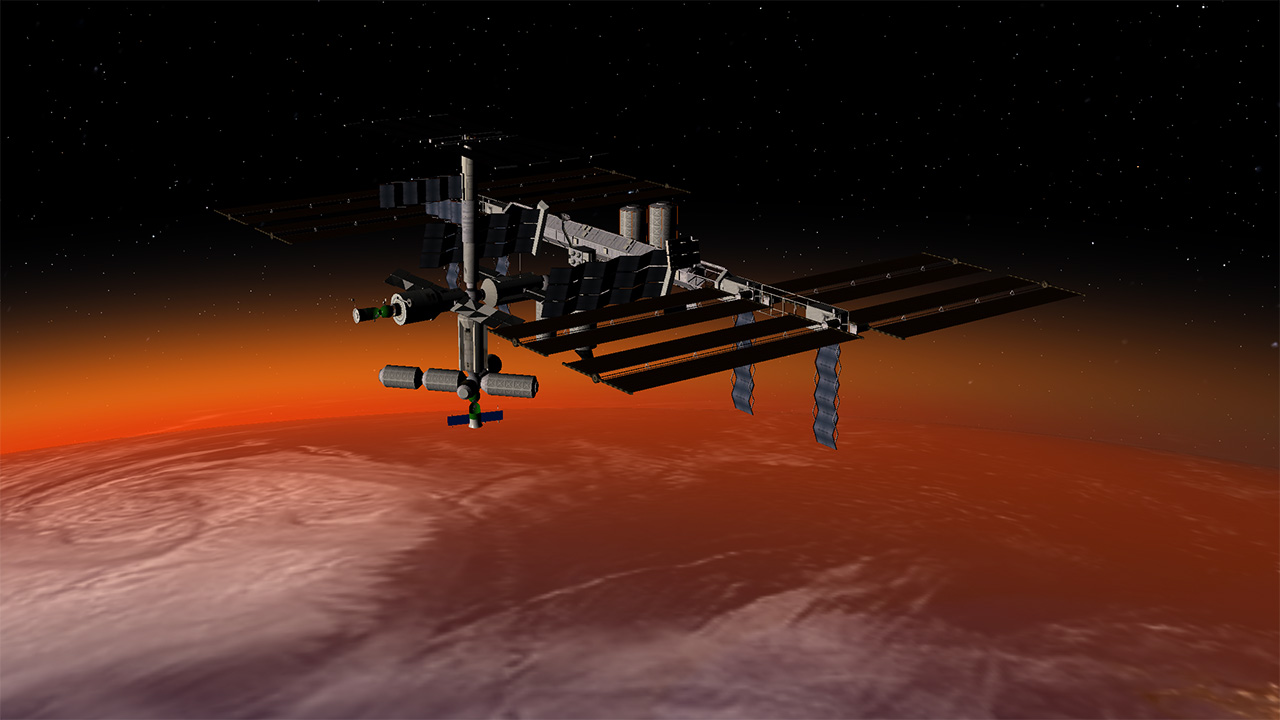
The ship's path is calculated to intercept the International Space Station, moving at 28,000 km/h around Earth.
Time is accelerated for clarity: every second here represents minutes of real orbital choreography.
Every maneuver is calculated within centimeters. In orbit, there is no room for approximation.
Two people are on board: an American astronaut and a Russian cosmonaut, on their way to spend several months aboard the International Space Station.
In the commander's seat: Nick Hague, 49, from the United States.
This isn't his first trip to orbit.
In 2018, his Soyuz rocket failed just after launch.
He and his crewmate survived, saved by the capsule's emergency escape system.
Now, six years later, he's heading back to the ISS for a second stay.
Riding alongside him: Aleksandr Gorbunov, 34, from Russia.
He used to help design the very spacecraft he now flies.
This is his first time leaving Earth.
And a first for his country: no Russian cosmonaut has ever flown an American spacecraft, until now.
Their mission will last about six months.
They are replacing the Crew-8 crew, who arrived six months earlier.
Crew-8 is returning to Earth: their time aboard the ISS has come to an end.
Crew Dragon's chase will last about twenty-eight hours.
It gradually climbs from 200 to 400 kilometers in altitude, the ISS's own orbit.
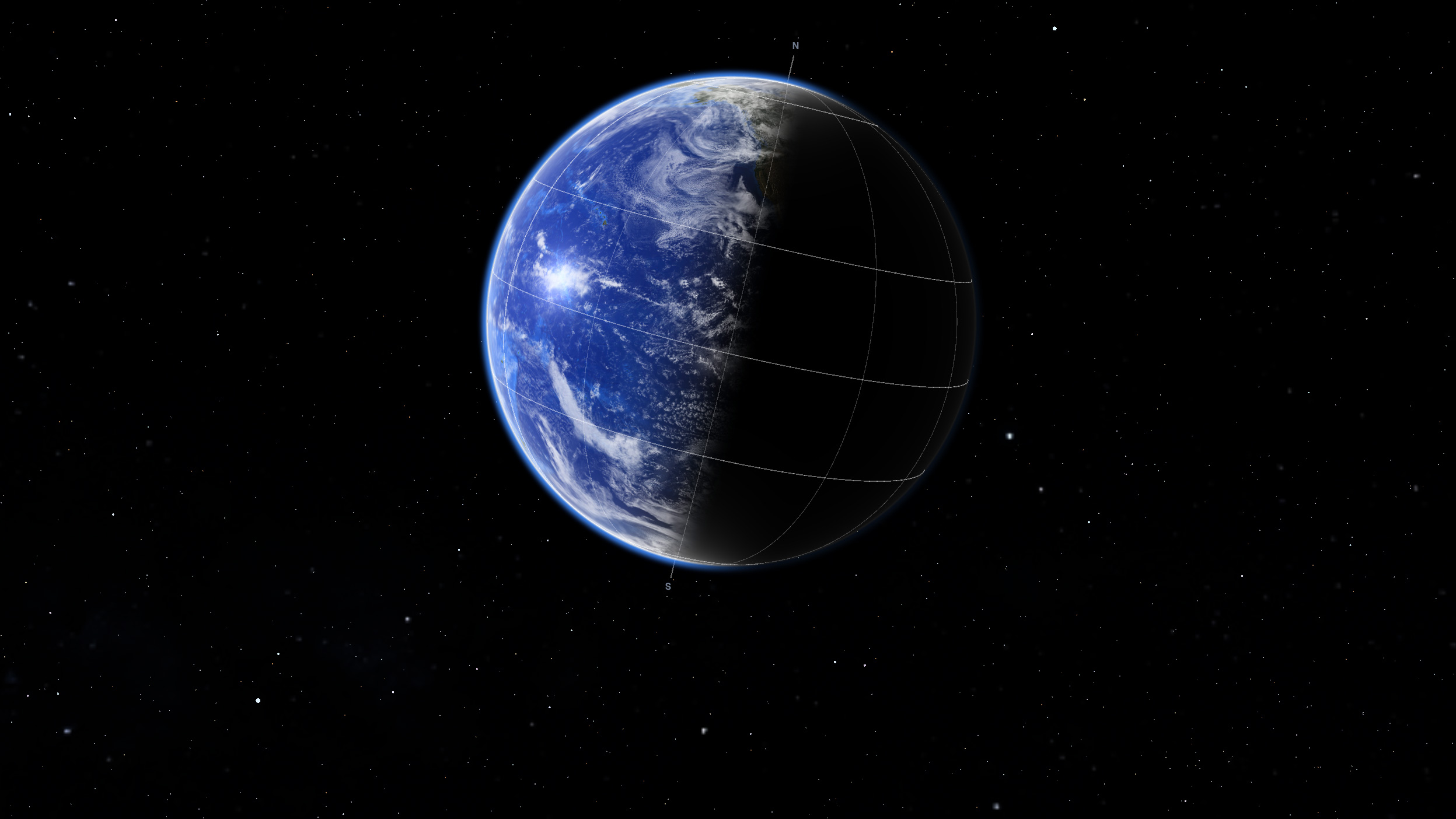
Every ninety minutes, the crew sees a sunrise or a sunset: sixteen of each, every day.
Its speed remains nearly constant: around 28,000 km/h.
Fast enough to stay in orbit, but never enough to escape it.
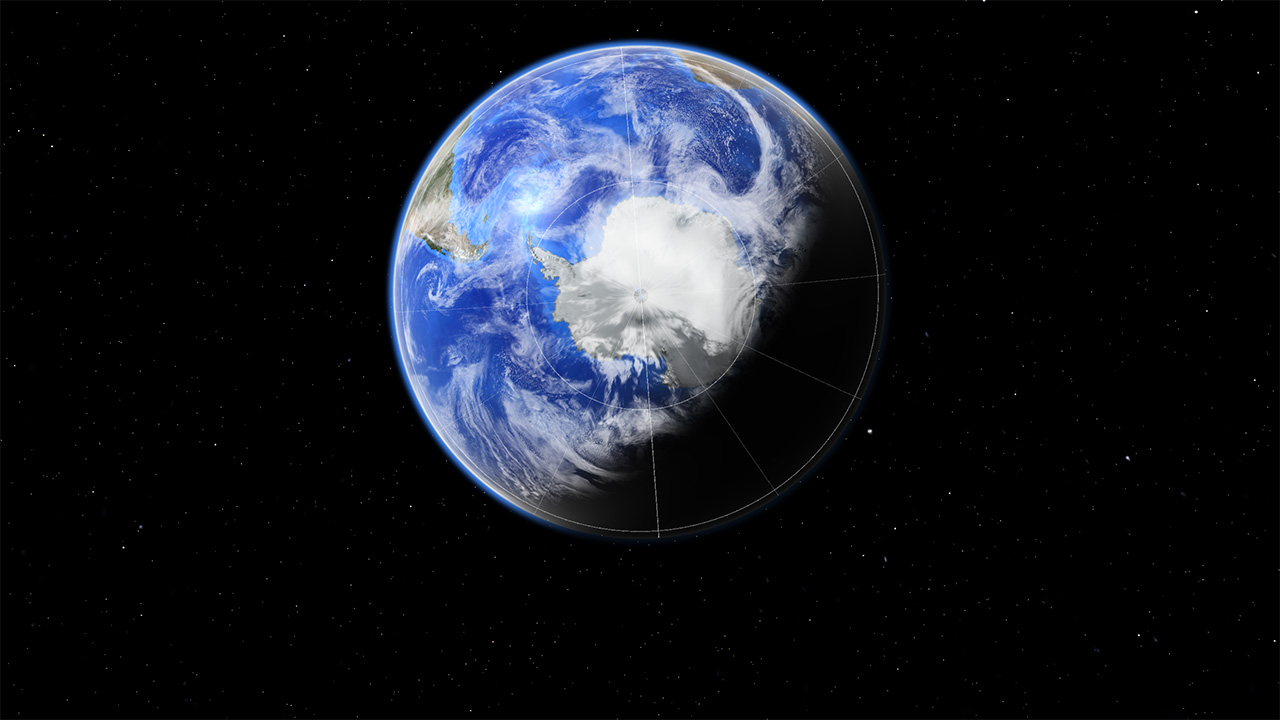
Unlike this panoramic view, the crew sees Earth through just four small windows.
Each frame is a moving fragment of the planet they've just left behind.
The ISS is now their horizon: a moving home, circling Earth.
We're entering the final approach phase.
It will last about an hour.
Nick and Aleksandr are watching closely, ready to step in if needed. For now, the computer is flying.
The margin for error is tiny: just a few centimeters off would trigger an automatic abort.
During final approach, everything becomes almost silent in motion.
Crew Dragon reduces its relative speed to just 0.1 meters per second, slower than a walking pace, as it gently matches the station's orbit.
It's good: Crew Dragon is perfectly aligned.
After a slow and precise approach, Crew Dragon docks with the station.
For a brief moment, two spacecraft become one continuous structure, orbiting Earth together.
Docking complete.
Mission accomplished! Aleksandr and Nick are ready to board the ISS.